Shipping lines, owners and agents
Every voyage ends in a claim, a port account and a document set that has to agree with the charter party. We assemble and check them while the window is still open.
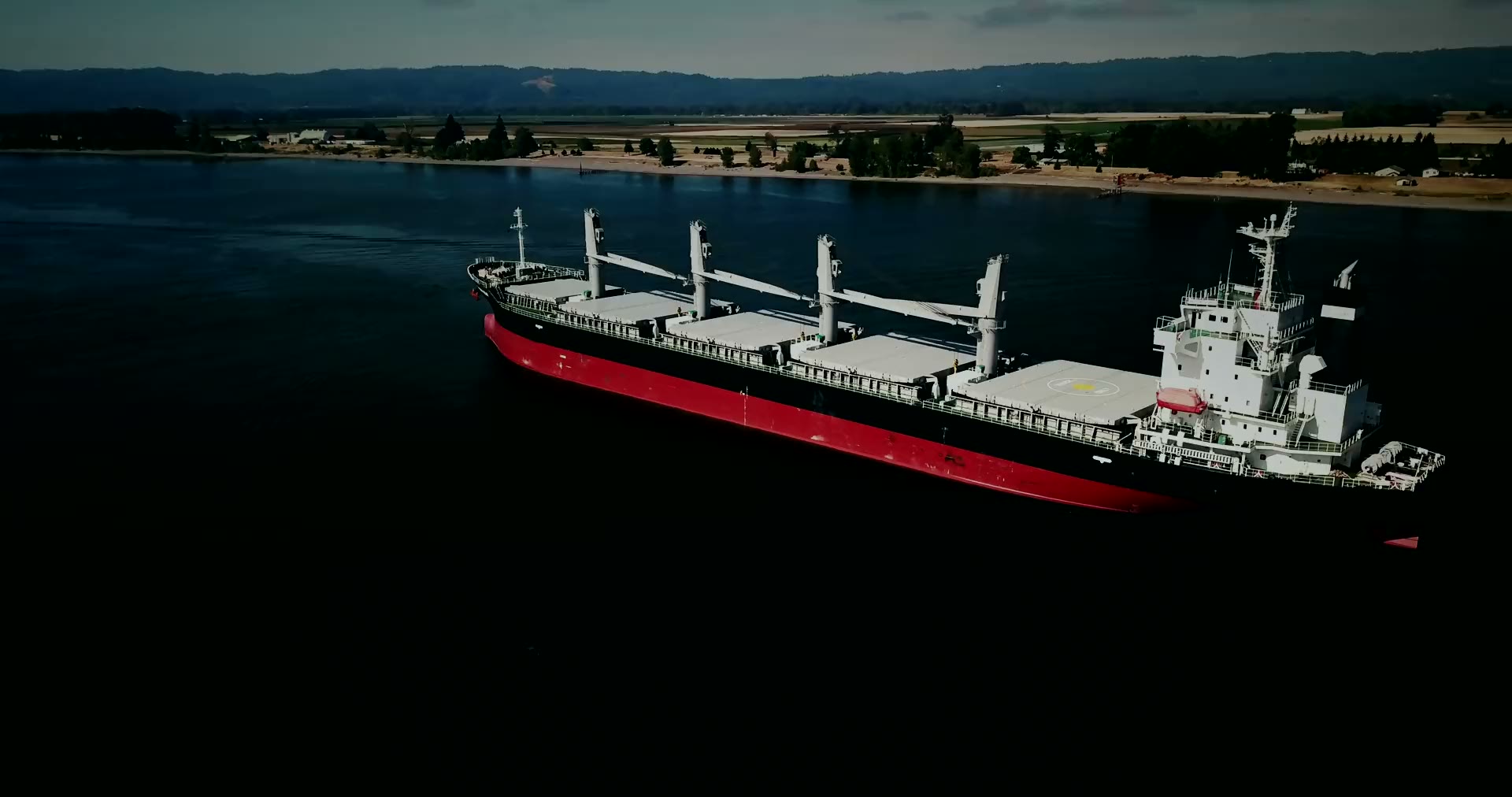
The paperwork that runs your week
Charter parties and fixture recaps
The terms every later document is checked against. They arrive as an email chain and are retyped into the voyage system or a spreadsheet.
Statements of facts and notices of readiness
The time log of every port call, countersigned at the berth and emailed as a PDF. Every laytime calculation starts here.
Disbursement accounts
The agent's proforma before arrival, then the final account with vouchers after sailing, checked line by line against the tariff.
Shipping instructions, draft bills of lading and manifests
Retyped from the shipper's email into the line's system and approved in rounds. Every late amendment costs the shipper.
Where it goes wrong
A claim is time-barred.
One countersigned statement of facts is missing from the pack when the ninety days run out, and the demurrage is gone.
Laytime is miscalculated.
Times are read off a scanned statement of facts and an exception clause is applied from memory. The claim settles for less than it was worth.
A port account is overpaid.
A charge appears twice, or against the wrong tariff, and nobody reconciles the final account to the proforma.
A bill of lading is amended after sailing.
A consignee or a weight was keyed wrong from the shipping instructions, and the correction is paid for and argued over.
The deadlines
60–90 days
Demurrage claims. From completion of discharge under most tanker and dry bulk forms, with every supporting document. Late means waived.
7 banking days
Letters of protest and pumping logs. Under some tanker forms the supporting documents are due long before the claim itself.
30 days
Detention and demurrage invoices. Under the US billing rule, from the last day of charges. An invoice missing a required field need not be paid.
Hours
Shipping instructions and VGM. Carrier cut-offs run to the hour. A late or amended submission is charged to the shipper every time.
What we take over
Demurrage claims before the time bar
Claim packs assembled as the voyage closes: statement of facts, notice of readiness, logs and protests, with the time bar tracked for every port.
Port accounts and laytime statements
Final disbursement accounts checked against the proforma and the port tariff before approval, and laytime statements drafted for your operator to sign.
Draft bills of lading and manifests
Shipping instructions read once and carried into the draft bill of lading and the manifest, with every field traced to the source email.
What it frees up
The next vessel, pool entry or port does not need a new desk behind it.
Claims and port accounts are assembled as voyages close, so the post-fixture desk takes on more voyages without a hire for each.
How an engagement starts
One engineer, one workflow, measured first.
A named engineer sits with your team and measures the work before anything is built. Together we pick the one system worth building and agree the target. It goes into production in your systems, and you own the code.
More
Trucking, rail and barge
Detention billed, invoice out, the day the proof of delivery lands.
Forwarders and customs brokers
Carrier charges passed through. Entries ready for your broker to sign.
Ports, terminals and warehouses
Every chargeable event captured. Month-end billing built, not rebuilt.
Traders, producers and importers
Documents checked before presentation. Invoices built from the assays.
Put an engineer inside your operation.
Tell us about the work your team still does by hand.
Book a call